

Guide
RFID Race Timing: How It Works (And What to Look For)
RFID race timing has become invisible infrastructure for the sport — but few race directors who use it can actually explain how it works. This guide walks through what happens between when a runner crosses a mat and when their time shows up on a results page, and what specs actually matter when you're evaluating different systems.
The three components: tag, antenna, reader
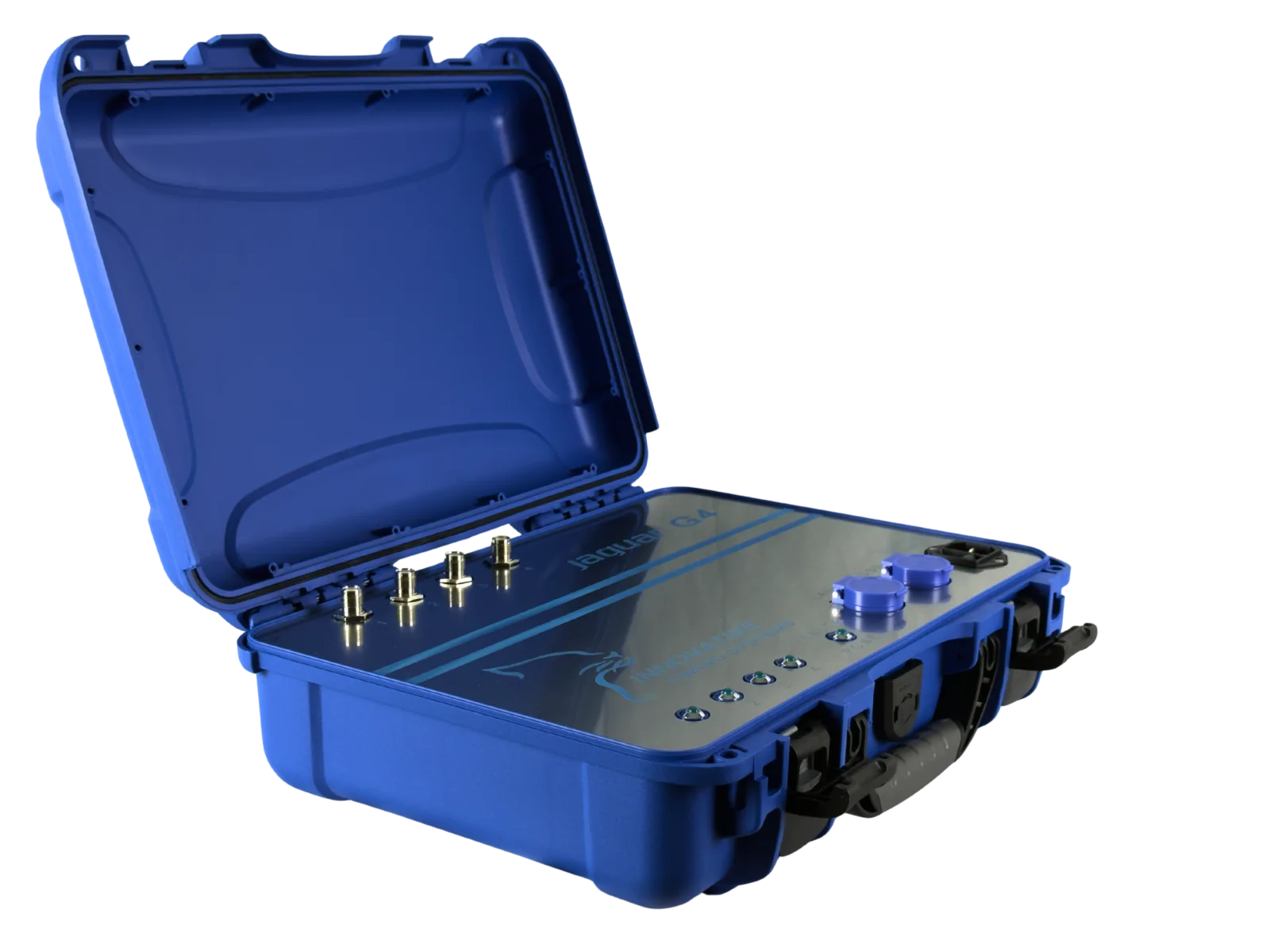
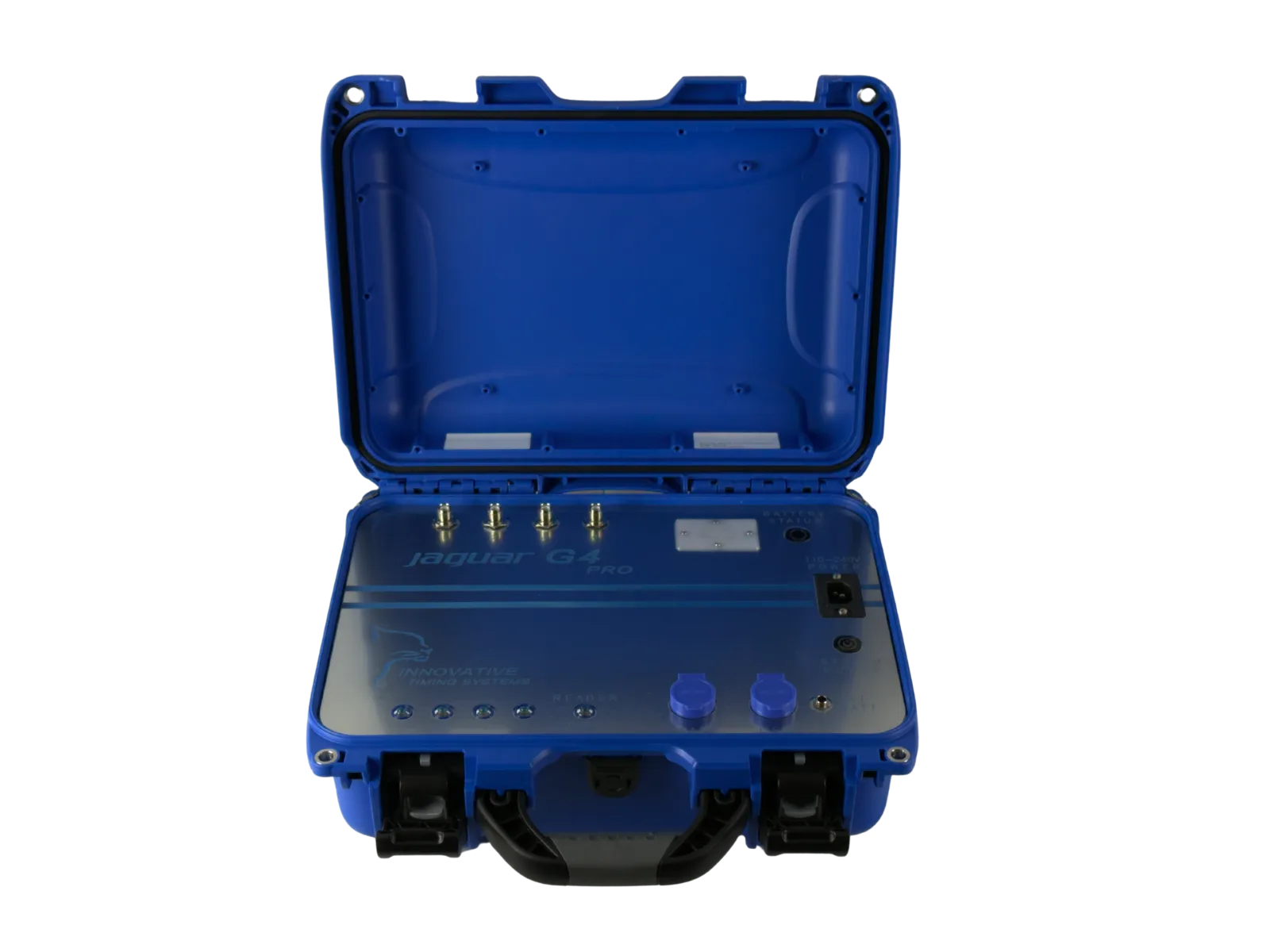
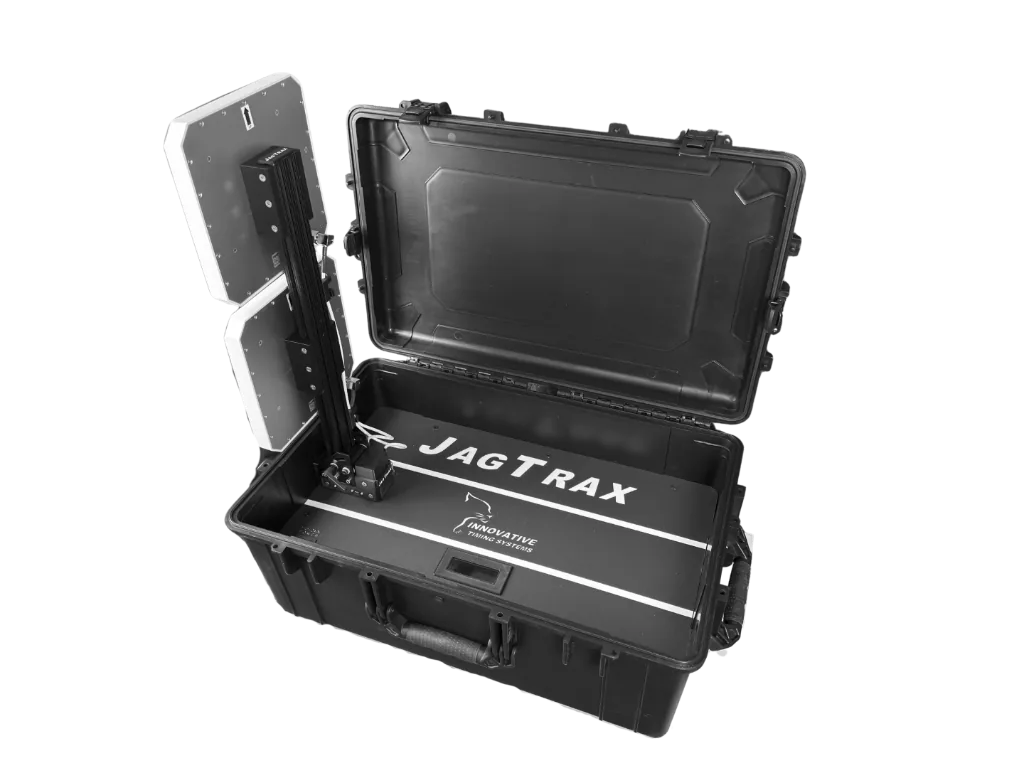
An RFID race timing setup has three parts: a tag (often called a 'chip', glued to the back of the race bib or worn on the shoe), an antenna (typically a mat on the ground at the finish line, or vertical antennas on the sides of the chute), and a reader (a small computer that runs the antennas and records timestamped reads).
When a runner with a tag crosses the antenna, the antenna energizes the tag, the tag transmits its unique ID back, and the reader records that ID with a millisecond-resolution timestamp. That timestamped read is the foundation of every result you've ever seen.
Why some systems read better than others
Two RFID timing systems that look identical on paper can have very different real-world reliability. The variables that matter most are antenna design (mat vs. vertical, single vs. paired), reader sensitivity, anti-collision protocols (how the reader handles 40 runners crossing simultaneously in a tight pack), and tag quality.
What doesn't matter as much as marketing copy implies: raw 'read range' — at the finish line you don't want a 30-foot range, you want a precisely controlled zone.
Split timing and multi-point setups
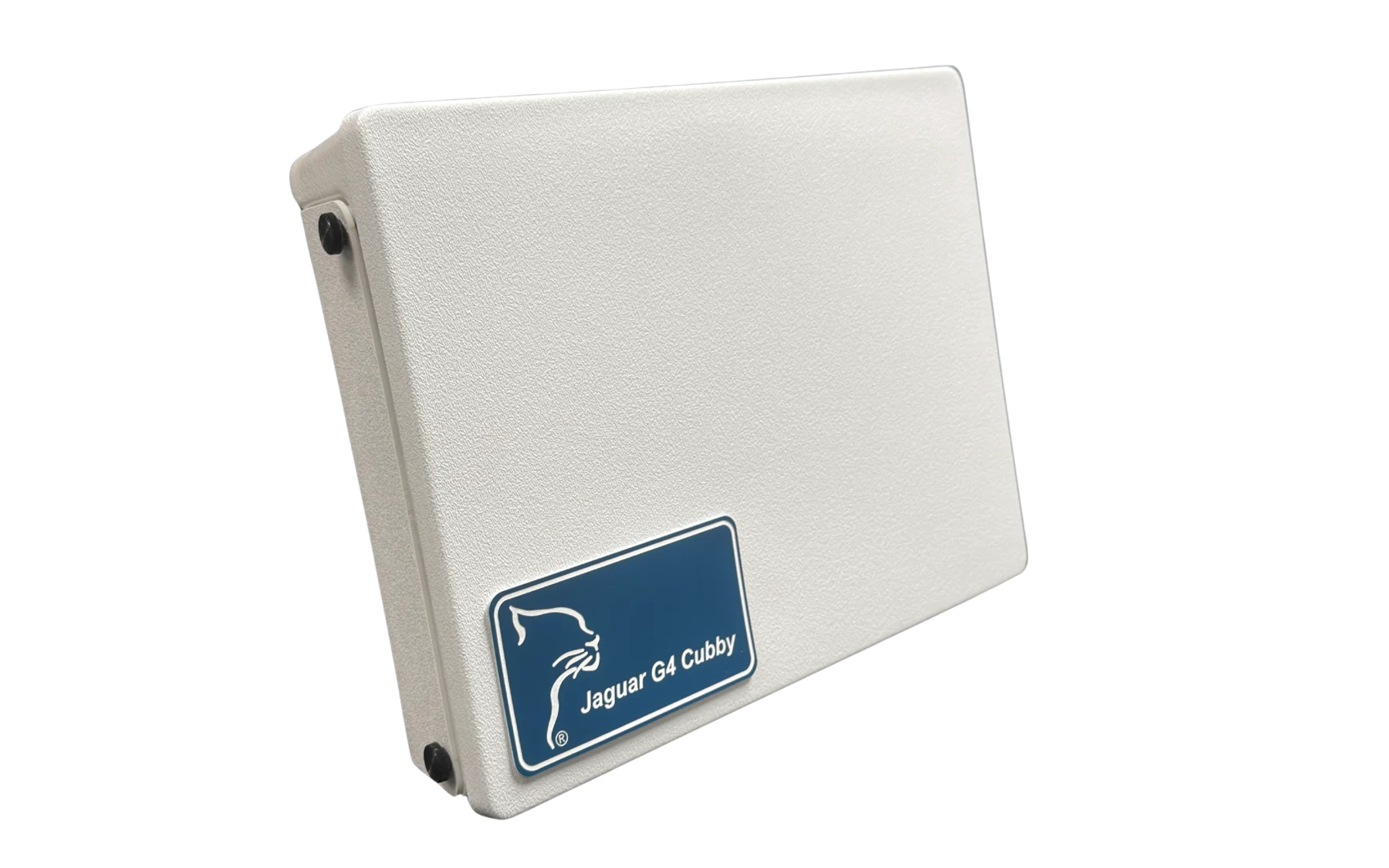
For courses where you want intermediate times (cross country, trail, marathon splits), you place additional readers and antennas at split points along the course. Each split point records its own reads; results software stitches them together by tag ID.
The key engineering challenge for split timing is keeping splits accurate when there's no connectivity at the split point. Good split-timing systems record locally and sync when connectivity returns; weaker ones simply fail when the cell signal drops.
Specs that actually matter
When you're evaluating systems, the specs that materially affect real-world reliability are:
- Read accuracy at race-pack density (300+ runners per minute through a chute)
- Offline storage and deferred sync (for split points and rural finishes)
- Power: battery life, swappable batteries, AC fallback
- Weather tolerance: rated operating temperature range, ingress protection
- Pairing speed (how fast you go from cold-start to live reads on race morning)
Specs that matter less than vendors imply
Some specs get prominent placement in vendor brochures that have very little real-world impact:
- Maximum theoretical read rate (you'll never hit it in race conditions)
- Cloud-feature checklists (most live results work over modest connectivity)
- App polish (you'll spend race morning in the timing tent, not the app)
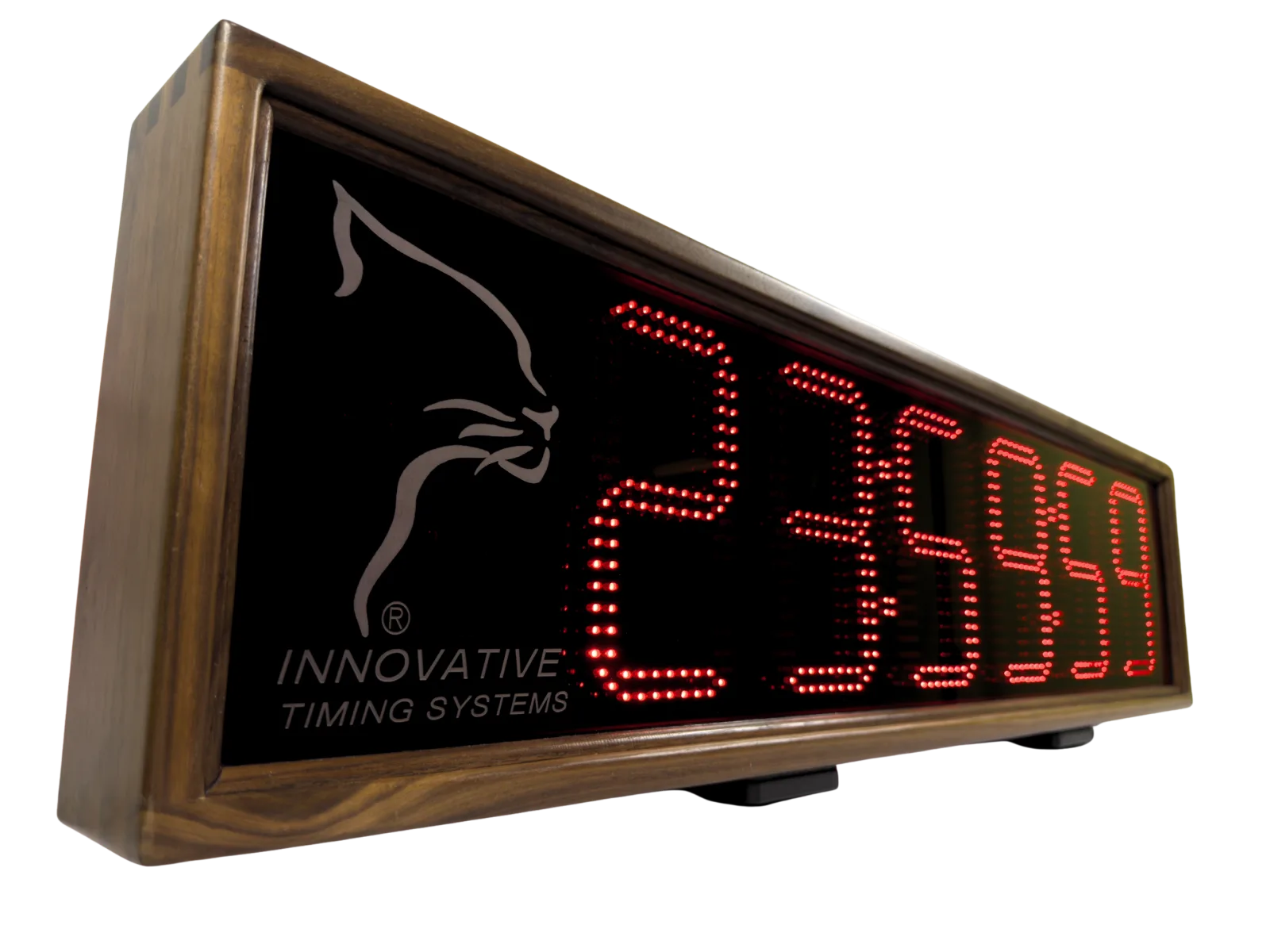
Curious what a real RFID race timing setup looks like? See our hardware lineup or talk to our team about the kit that fits your events.
Browse RFID timing systemsHave a race-timing question this guide didn’t cover?
Our team has timed thousands of events. We’re happy to talk through your specific event mix — no commitment, no sales pressure.
Related guides
How to Choose a Race Timing System: A 2026 Buyer's Guide
A race director's guide to picking the right chip-timing system — what to compare, what to skip, and how to avoid the most expensive first-purchase mistakes.
How to Time a 5K with Chip Timing: A Race Director's Guide
Everything a first-time race director needs to know about timing a 5K with RFID chips, from gear list to race-morning runbook.