

Guide
How to Run a School Fun Run Fundraiser: A Step-by-Step Guide
A fun run is one of the highest-earning, lowest-overhead fundraisers a school can run: students collect pledges per lap, run on a single morning, and the whole community rallies around it. The format is simple, but the difference between a fun run that nets a few hundred dollars and one that clears five figures comes down to planning — the pledge model, the volunteer roster, and how you capture every lap. This guide walks through the full sequence, from the first planning meeting eight weeks out to the thank-you notes the week after.
Start with the math: goal, format, and pledge model
Before you pick a date, decide what 'success' looks like in dollars, then work backward. A per-lap pledge model — where donors pledge a fixed amount for each lap a student runs — consistently out-earns a flat-donation model because it ties giving to effort and gives students a reason to push for one more lap.
A few decisions to lock first:
- Fundraising goal (and what the money funds — be specific; 'new playground equipment' raises more than 'school fund')
- Pledge model: per-lap pledges, flat donations, or a hybrid with a per-lap option and a 'cap my total' choice for donors
- Lap length (a short, clearly marked loop students can complete many times beats a long course)
- Time cap per group (e.g., 30–35 minutes of running per grade) so the day stays on schedule
Build the timeline: eight weeks out to race day
Fun runs reward early starts. The pledge-collection window is where the money is made, so give families time. A workable timeline for a Saturday or school-day event:
- 8 weeks out: set the goal, date, and rain date; recruit a lead committee
- 6 weeks out: open online pledge pages; send the first family announcement
- 4 weeks out: finalize volunteers, course layout, and timing method
- 2 weeks out: peak pledge push — class competitions and prize reminders drive the biggest spikes
- 1 week out: confirm volunteer roles, print rosters and bibs, test your timing setup
- Day before: mark the course, stage water and signage, charge every device
Choose your pledge and donation platform
You'll need somewhere for families to collect pledges online — friends and relatives anywhere should be able to give in a couple of taps. Dedicated fun-run platforms handle per-lap pledges, individual student pages, and donor receipts.
Keep the pledge platform and the timing of the run as two separate jobs. The pledge platform collects the money; your timing system records the laps that the per-lap pledges are calculated from. The cleaner the lap data you hand back to families, the more credible the final ask — and the faster you can close out pledges after the event.
Recruit and assign volunteers
A fun run runs on volunteers, but more volunteers isn't better — clear roles are. Assign specific jobs rather than asking people to 'help out':
- Course marshals (one per turn or hazard, keeping runners on the loop)
- Lap counting / timing lead (the single most important role — see the next section)
- Check-in and bib distribution
- Water station and first aid
- Cheer crew and music (energy keeps tired students running more laps)
- Photographer for social proof and next year's promotion
Decide how you'll count and time the laps
This is the decision that quietly makes or breaks a fun run. Whatever method you choose has to do one thing reliably: capture every lap for every student, even when a whole grade surges across the line at once. Per-lap pledges are only as trustworthy as the lap count behind them, so accuracy here directly affects how much you can credibly collect.
The common options, from least to most reliable:
- Tally methods (popsicle sticks, punch cards, wristbands): cheap, but error-prone and slow to total — fine for a small class, painful for a whole school
- Manual scanning apps (a volunteer scans a barcode card for each runner): better records, but runners have to slow down to be scanned, which bottlenecks the finish line
- RFID chip timing: each student wears a reusable chip that's read automatically as they cross at full speed — no scanning, no slowdowns, and accurate per-lap data for every runner
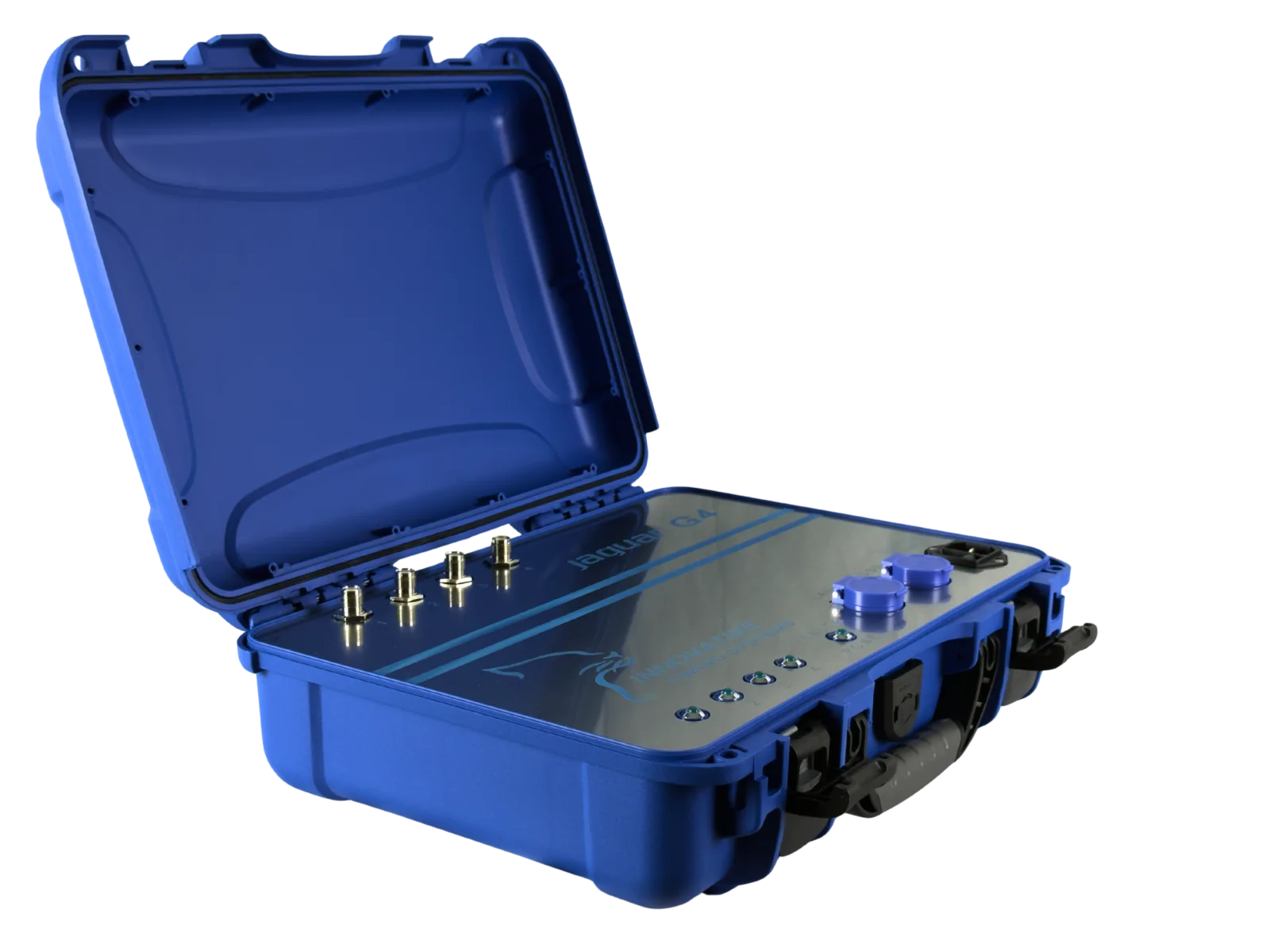
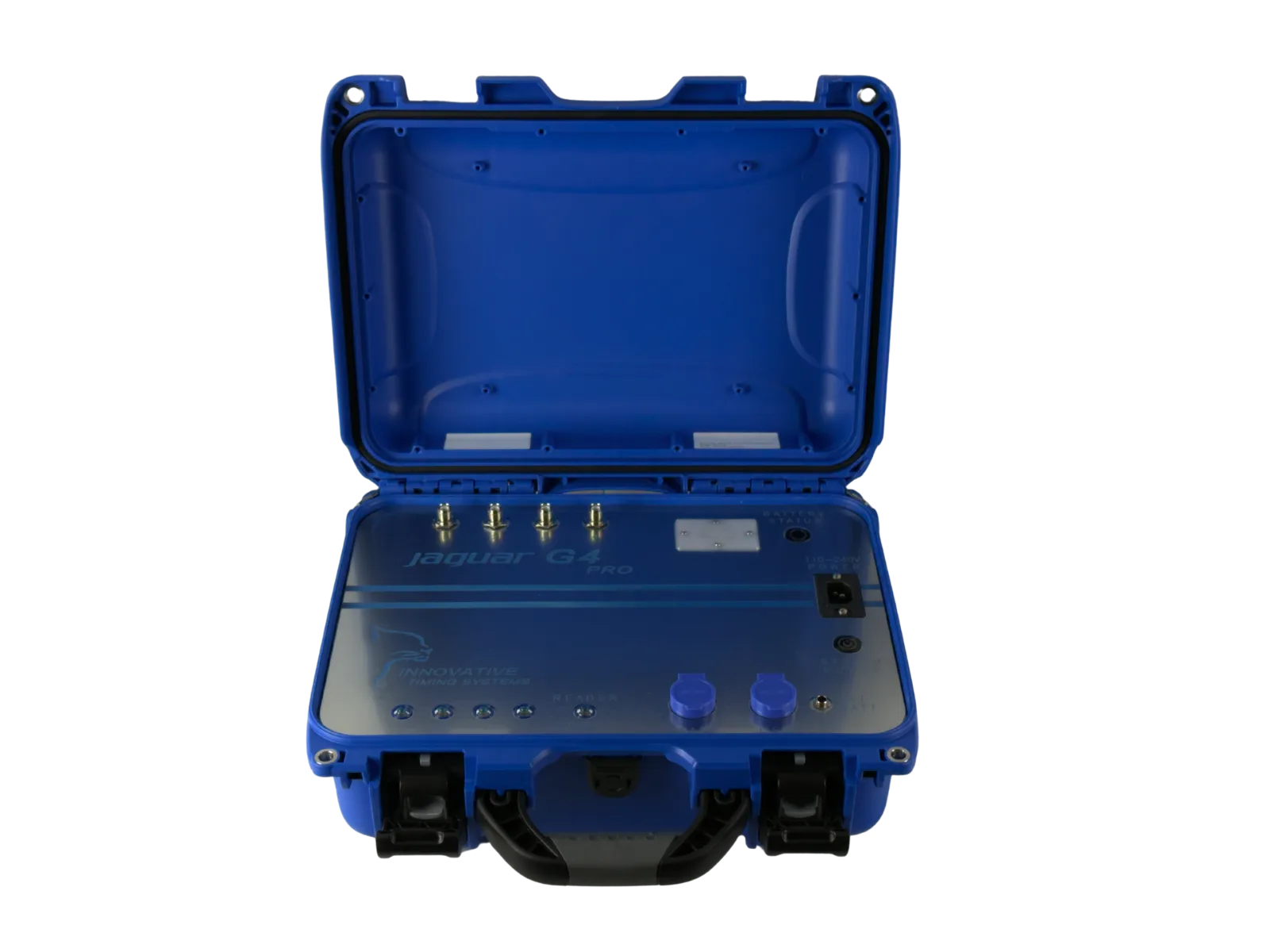
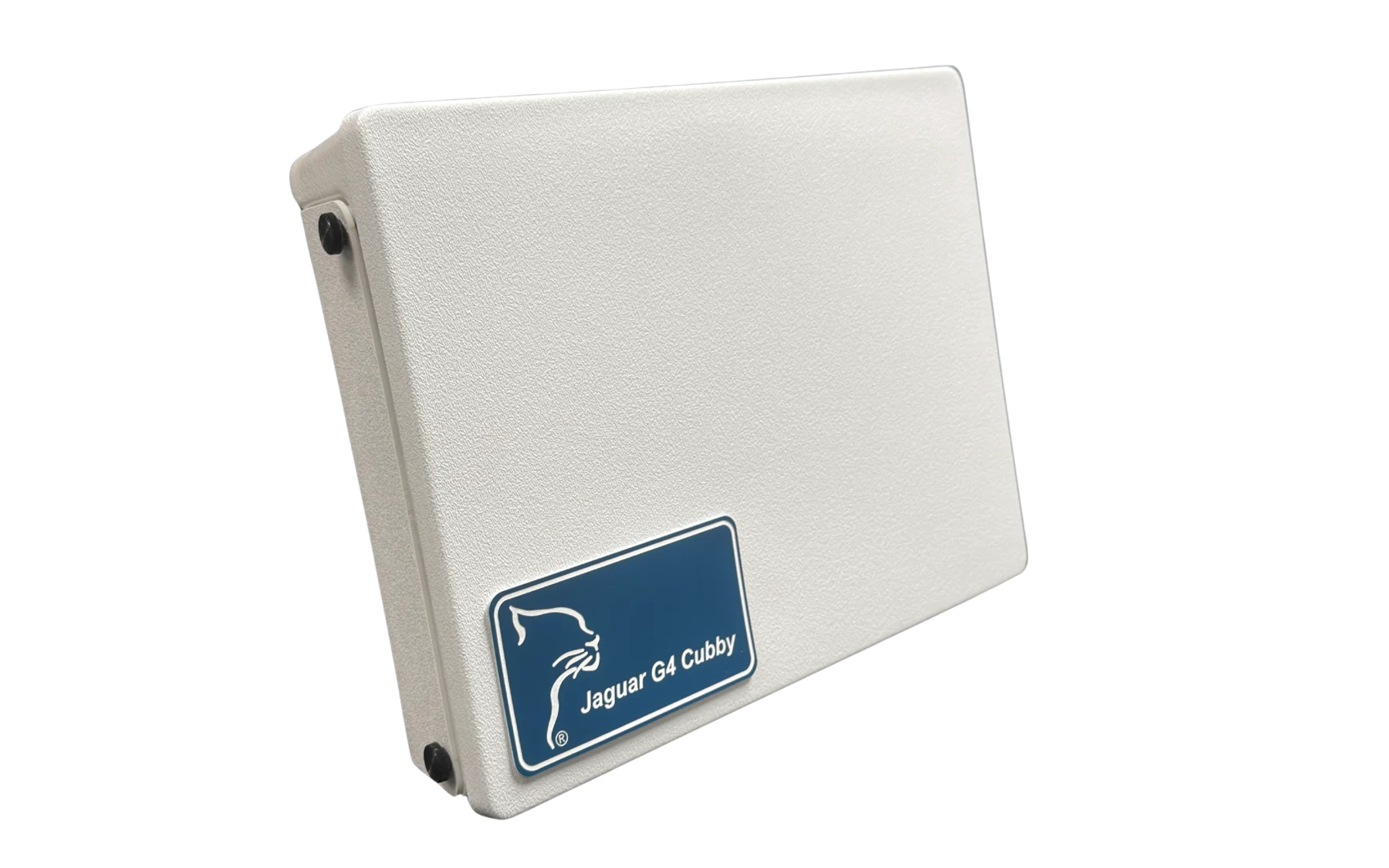
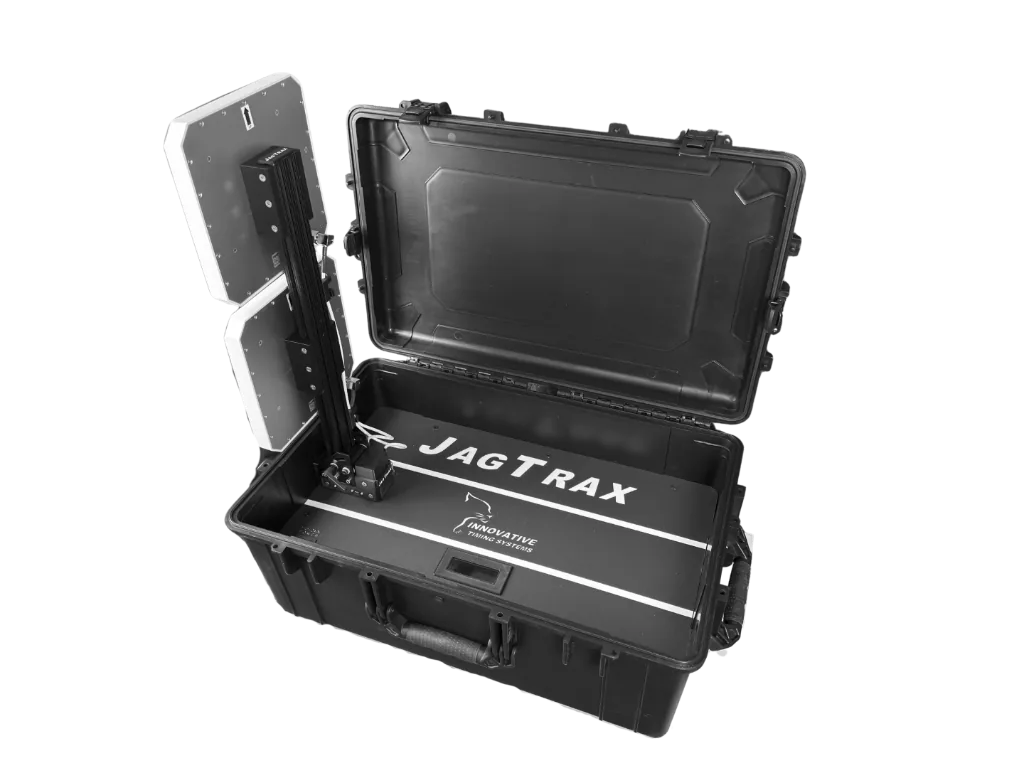
JagTrax is an all-in-one RFID timing system built for exactly this — drop the rolling case, connect by Bluetooth, and capture every lap automatically with a live scoreboard families can follow. No scanning, no clipboards, no experience needed.
See how JagTrax times a fun runDesign the run-of-show
On the day, structure beats spontaneity. Run grades or groups in waves so the course never gets dangerously crowded and your counters can keep up. A typical wave:
1. Line up the group and check that every runner has their bib or chip. 2. Start the wave; keep the lap loop flowing one direction with marshals at every turn. 3. Run the time cap (e.g., 30 minutes), then call the group off the course. 4. Post or announce lap counts while the next group lines up. 5. Repeat per grade, then celebrate top lap-counts and top fundraisers at the end.
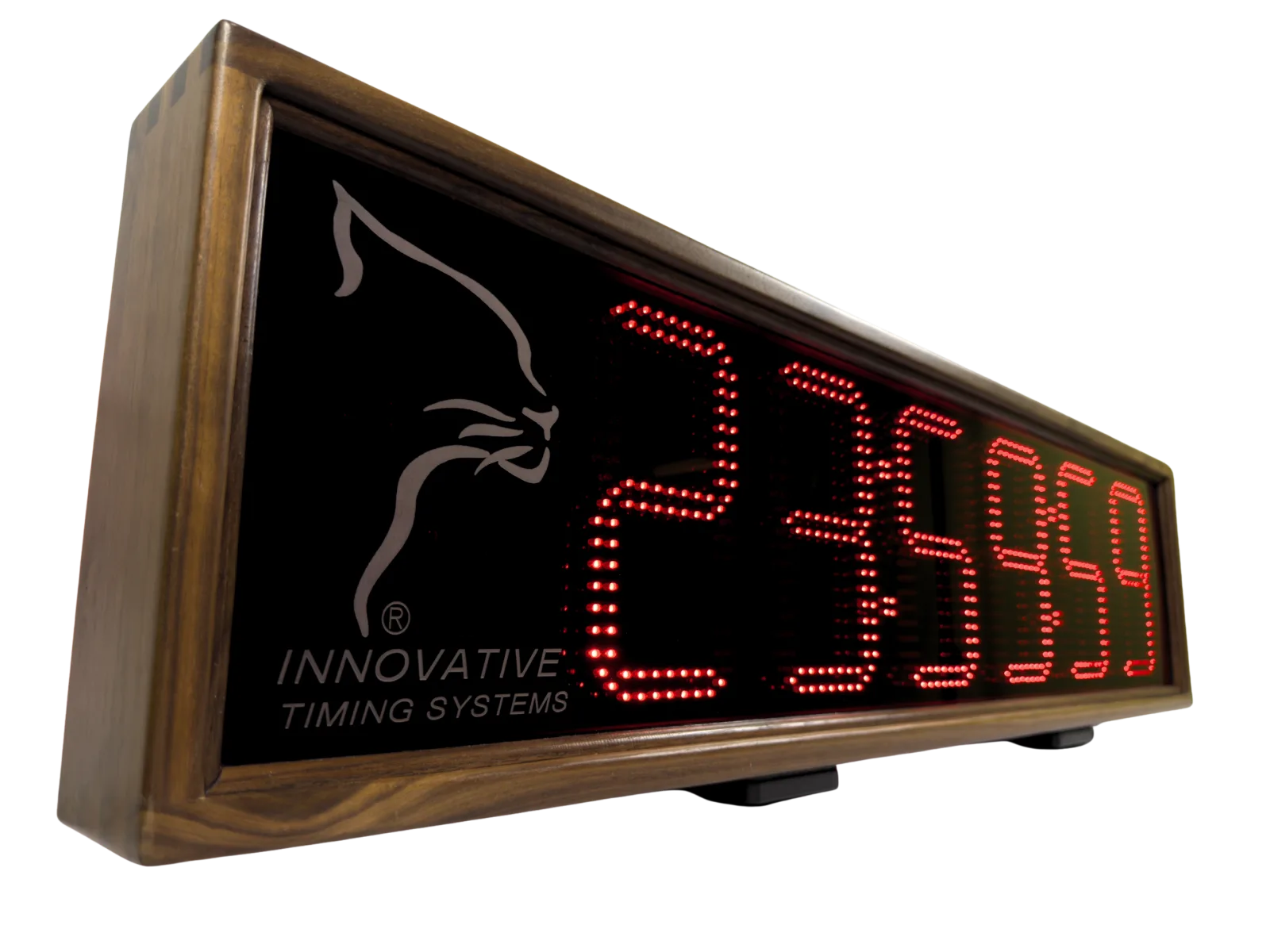
A live scoreboard during the run is a force multiplier: students push harder when they can see laps ticking up, and parents and remote donors stay engaged when they can follow along in real time.
Close it out: results, pledges, and thank-yous
The week after is where many fun runs leave money on the table. Move fast while the event is fresh:
- Send each family their student's official lap count so per-lap pledges can be finalized
- Send pledge reminders within a few days — conversion drops sharply after a week
- Thank donors, volunteers, and students publicly; announce the total raised against the goal
- Save your roster and results — next year you start from a list, not a blank page
- Debrief the committee while memories are fresh: what to keep, cut, and change
Because JagTrax keeps every event's results and rosters, your fun run gets easier every year — reuse last year's roster, reassign chips, and hand families accurate lap counts the same day.
Explore JagTrax pricingThe most common fun-run mistakes
Patterns we see trip up first-time organizers:
- Opening pledges too late — the collection window is the fundraiser; protect it
- An unreliable lap count that erodes donor trust when totals look off
- A course loop that's too long, so students complete few laps and per-lap pledges underperform
- Too few course marshals, leading to crowding and miscounts at the turns
- No live scoreboard or energy on course — tired students stop early without something to chase
- Not capturing results in a reusable system, so next year starts from scratch
Weighing how to time your event? Compare RFID timing to manual lap-counting and other systems before you decide.
Compare timing systemsHave a race-timing question this guide didn’t cover?
Our team has timed thousands of events. We’re happy to talk through your specific event mix — no commitment, no sales pressure.
Related guides
How to Time a 5K with Chip Timing: A Race Director's Guide
Everything a first-time race director needs to know about timing a 5K with RFID chips, from gear list to race-morning runbook.
RFID Race Timing: How It Works (And What to Look For)
A plain-English explanation of how RFID chip timing actually works, with the specs that matter — and the ones that don't.